


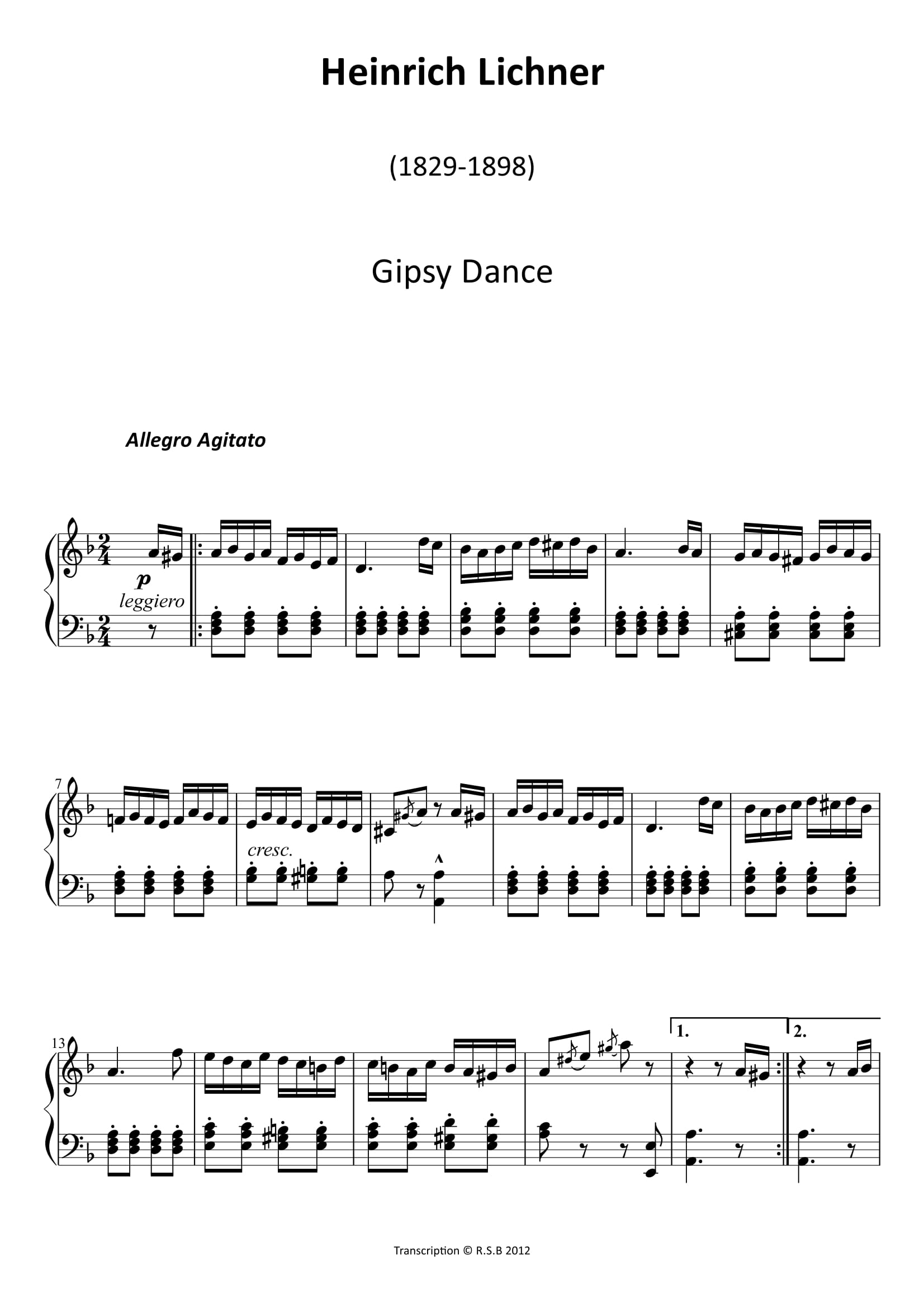

Heinrich Lichner (1829-1898) was a German composer and organist from Silesia. Working as a church organist and choral conductor in Breslau (now Wrocław, Poland), he composed numerous piano pieces for students. "Gipsy Dance" stands alongside "Forget Me Not" and "In der Tanzstunde" as one of his most beloved works.
The exotic sound of Romani music, with its distinctive scales, profoundly influenced European composers. It inspired masterpieces such as Liszt's "Hungarian Rhapsodies," Brahms's "Hungarian Dances," and Haydn's "Gypsy Rondo." This piece depicts a band of wandering Romani people gathered around a campfire by a riverbank, singing and dancing to violin music and rhythmic hand-clapping.
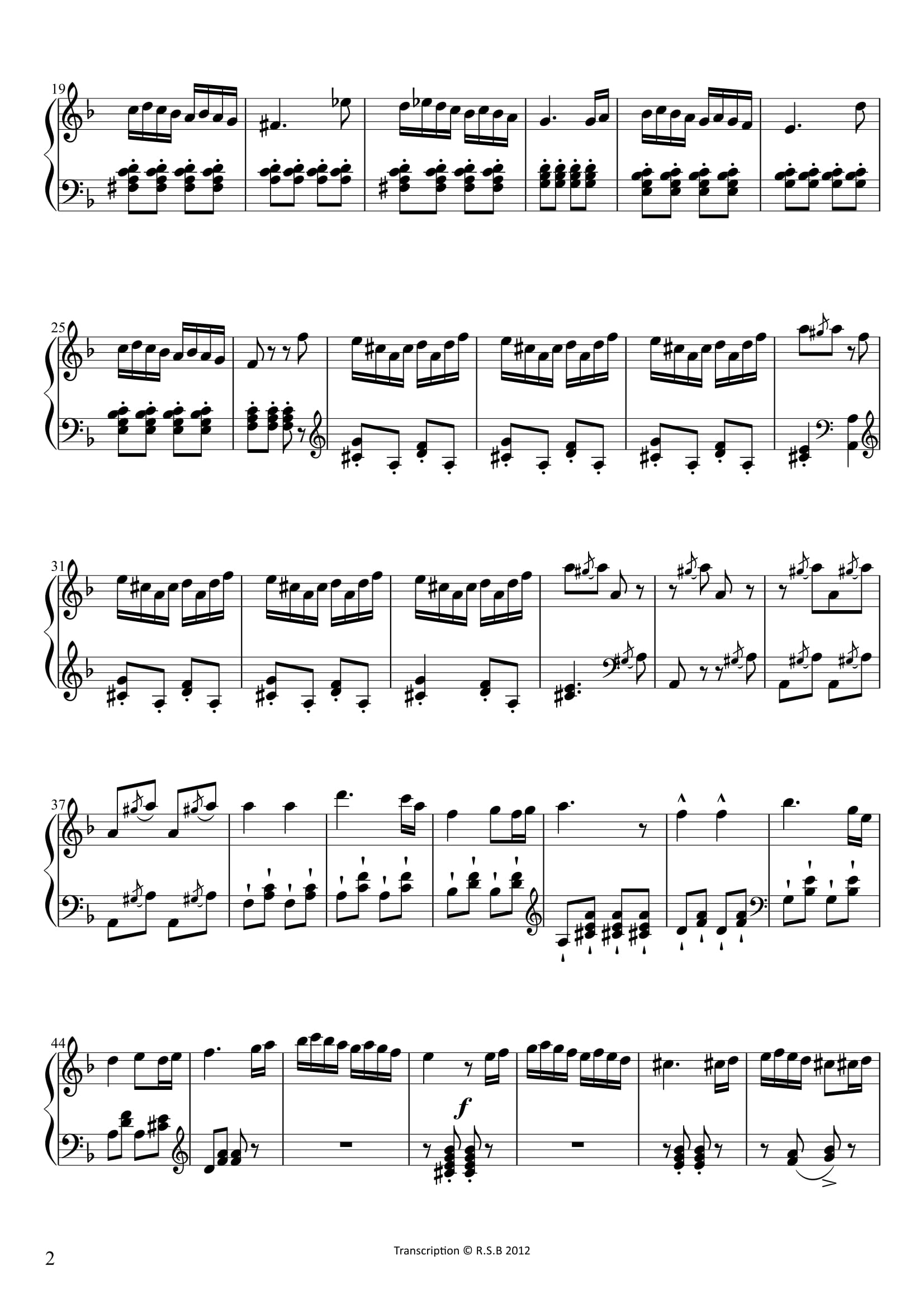
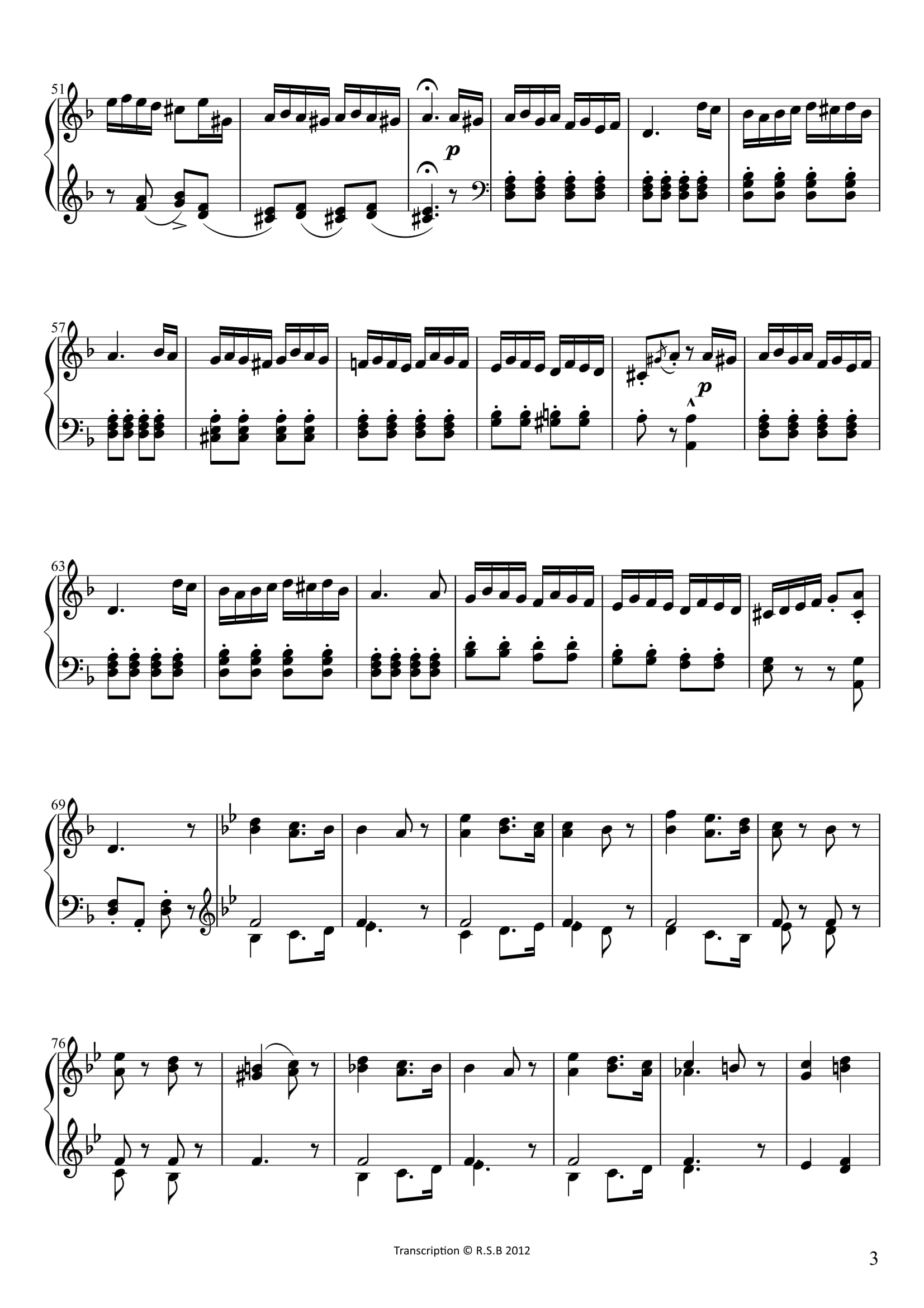
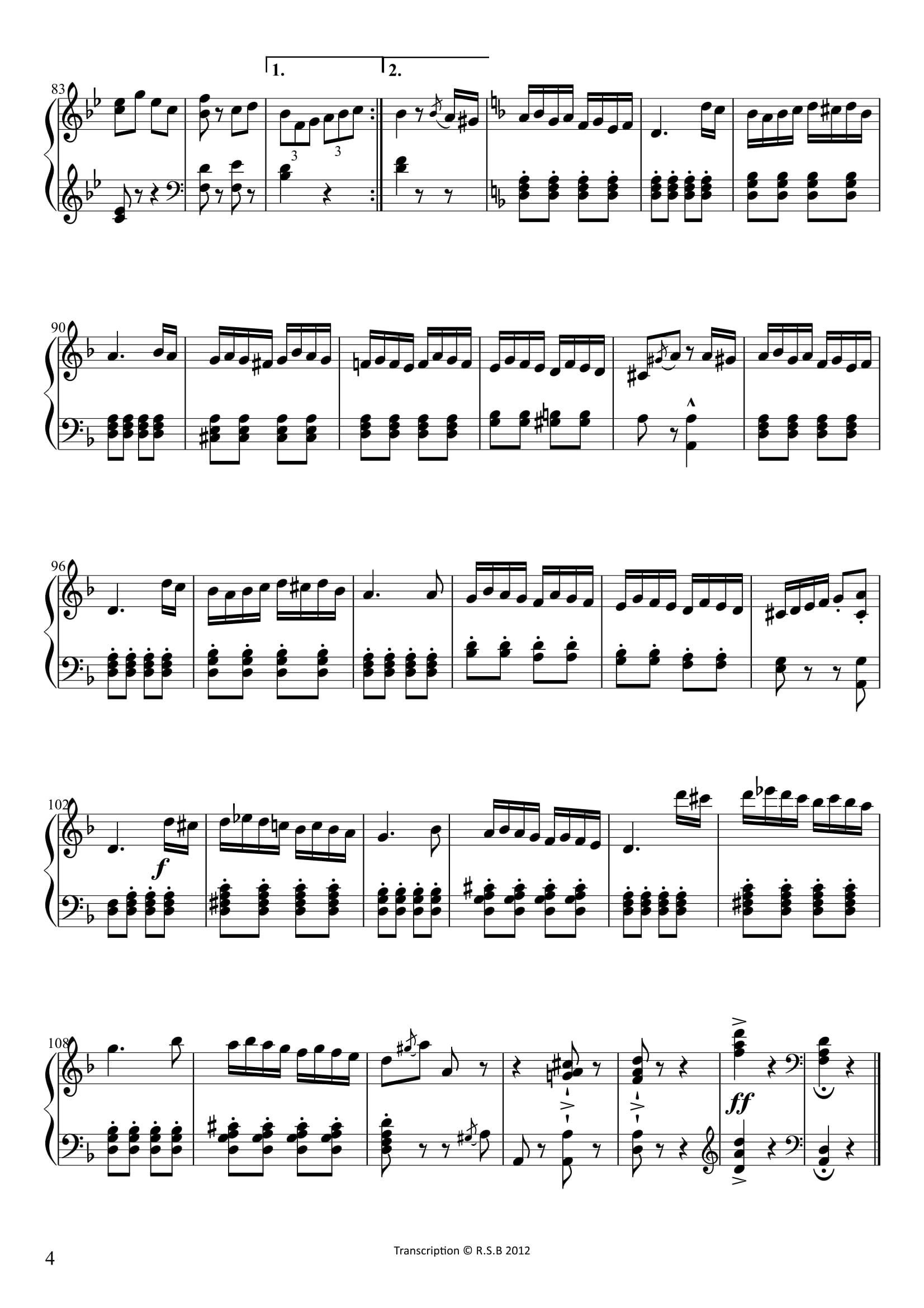
The piece is in D minor with a 2/4 time signature, structured in rondo form (ABACA). The passionate A sections contrast beautifully with the chorale-like, prayerful C section. The right hand's sixteenth notes represent the violin melody, while the left hand's staccato chords evoke hand-clapping. Play the grace notes lightly, like pizzicato on a violin. At measure 68, marked "sostenuto con anima," play expressively with full tone. Taking the tempo slightly relaxed enhances the exotic atmosphere and adds an air of mystery.
(Source)
